
DECODING SUDDENLY LAST SUMMER - BY CRAIG JOSEPH
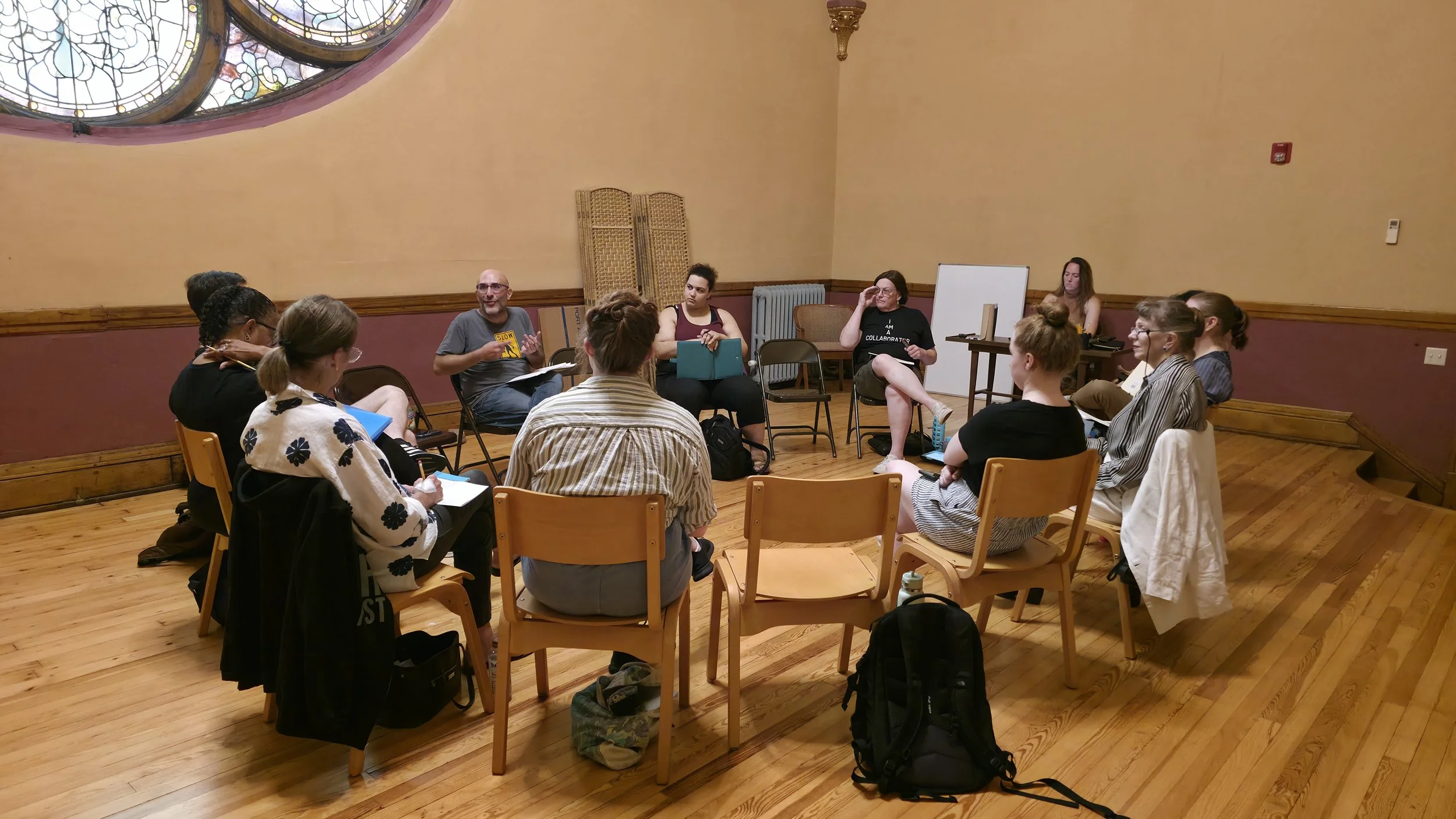
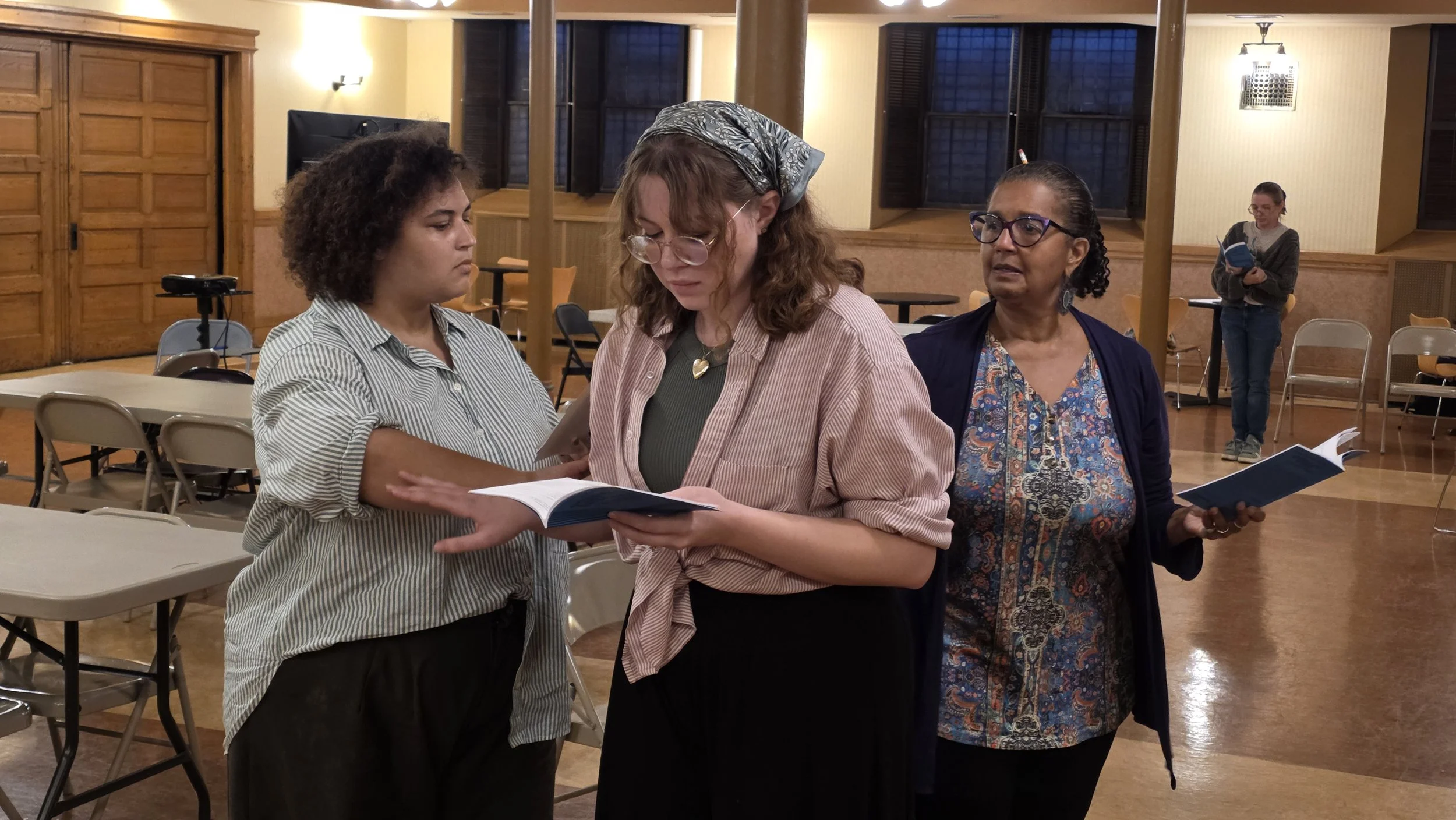
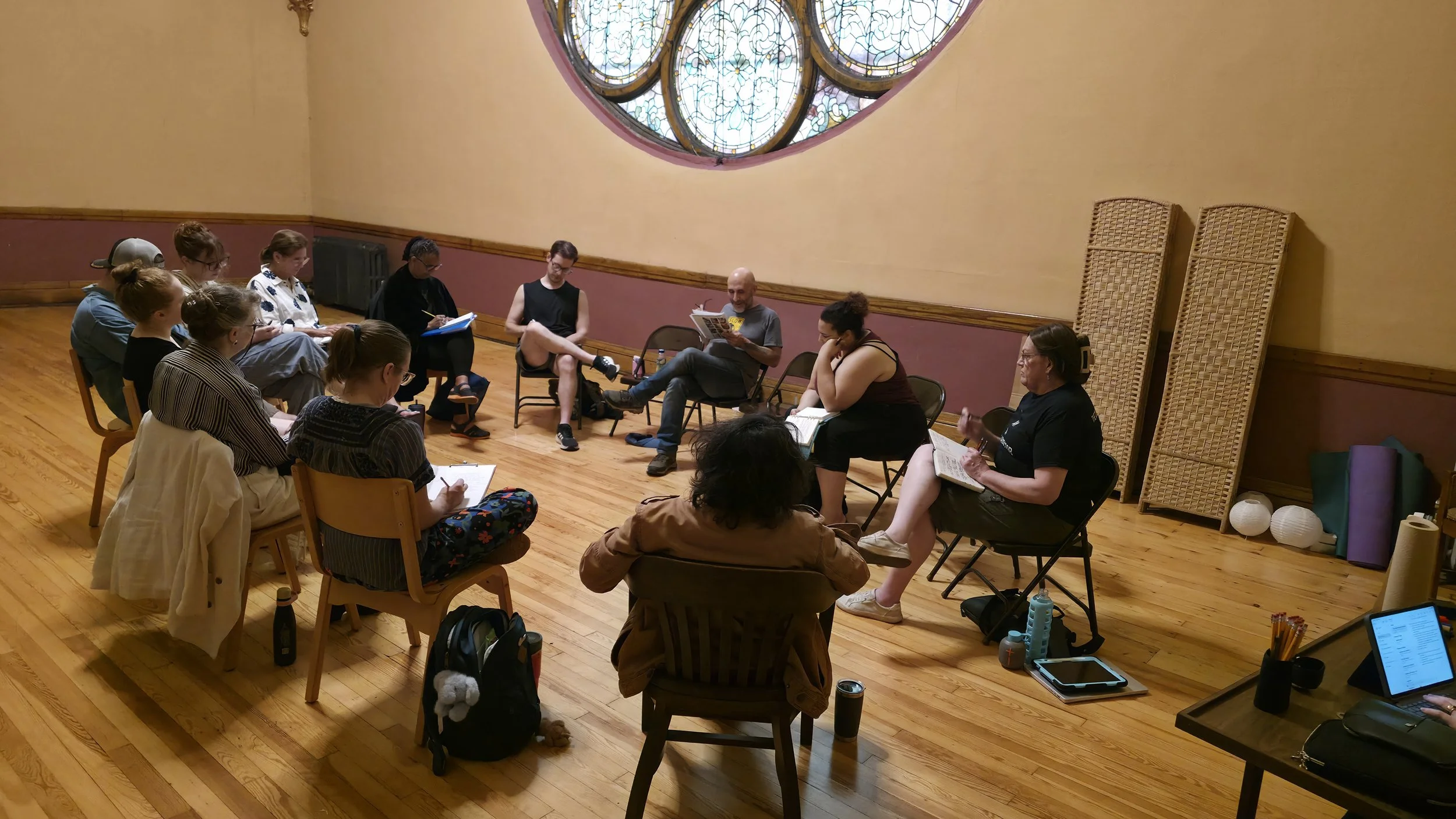
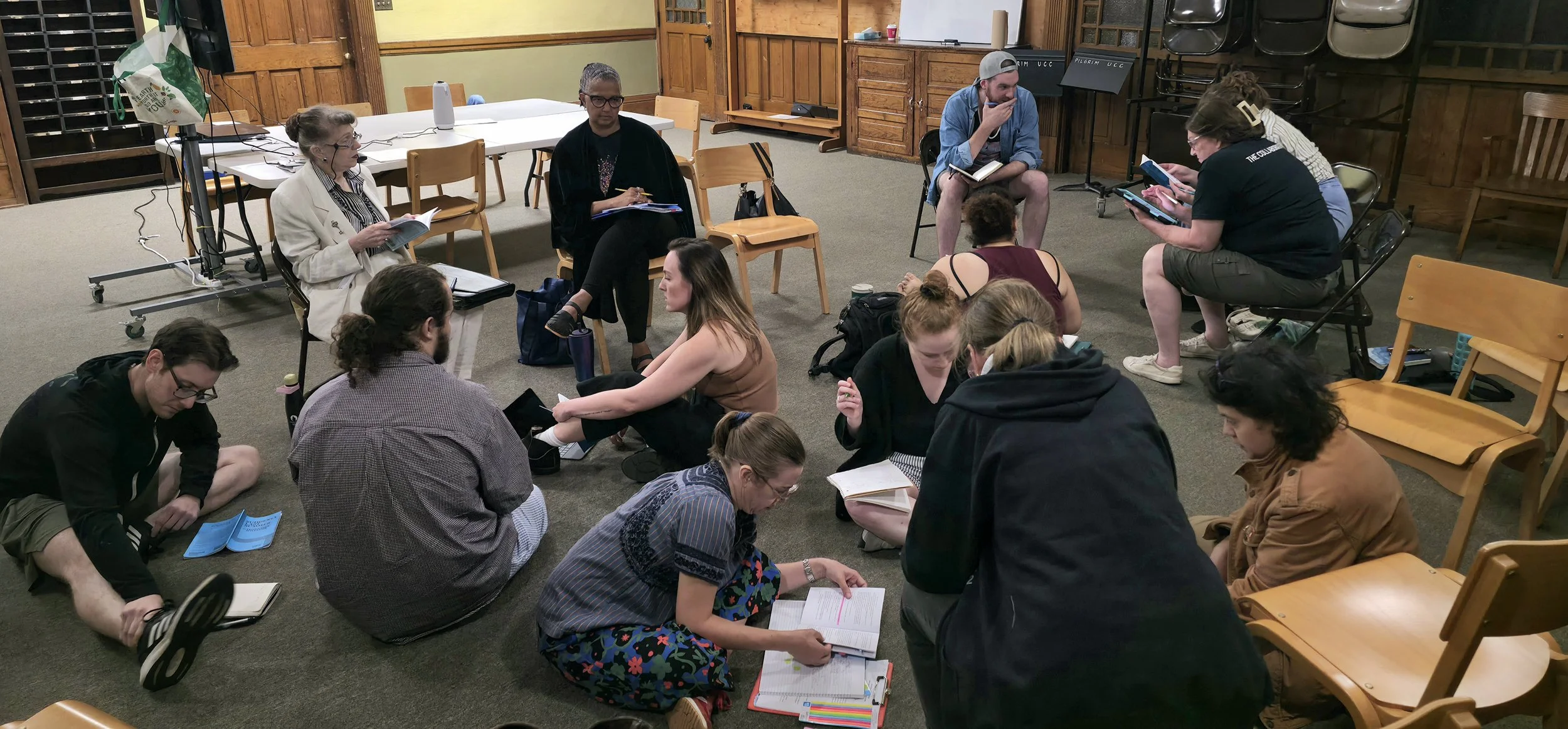
One of my favorite exercises when directing is to figure out the point-of-view our production is going to take on a play or - in other terms - "what the heck is this play gonna be about?" Younger, more controlling version of me as a director used to do this alone at my desk, weeks before rehearsal began, and then would arrive with the whole thing typed out on Day One like Moses descending from Mount Sinai with the Ten Commandements as inspired by God. Older, in therapy, and much more collaborative, I now love the challenge of creating an environment in the rehearsal room that encourages everyone - actors, designers, stage management, our producer - to share their insights and observations about the play so that the resulting conceptual statement is owned by ALL of us, not just me. This requires patience. It requires checking my ego. Valuing different types of intelligence from those who don't just learn and think through words and research, but rather through pictures, sounds, movement, and more. It requires courage to not know exactly where we're going at the outset of our journey. And it requires me to get even better at listening and paying attention to others. But where we arrive is so much richer and deeper than anything I could have come up on my own.
So, as you're getting ready to purchase your tickets for our first MainStage show of the Season, Suddenly Last Summer (stop right now and get them at SuddenlyLastSummerSOTP.eventbrite.com) here's a teaser of where our production is headed.
THE GENERAL BEAUTY of SUDDENLY LAST SUMMER
What gives your play beauty?
*ITS AUDACITY - As much today as when it first came out, this is a play that makes people ask “is this really about what it seems to be about?” Yes! Possible insanity, lobotomy, intimations of incest, cannibalism, homosexuality, procurement, and more! And not only is the content sensational, but the form in which the story is told is theatrically bold as well.
*ITS LYRICISM - Williams’ language - even his stage directions - is gorgeous, lending his plays an atmosphere all their own: humid, saccharine, heavy. This lyricism is often at odds with the violent needs and passionate urges of his characters, providing a built-in polarity to his work.
What kind of play is it?
*MELODRAMA - Stylistically, the play borrows from the heightened genres of both horror and camp, but nonetheless is grounded in reality and three-dimensional characters.
*CAUTIONARY TALE - A fable that warns of humans’ appetite for “devouring” each other and the perils of allowing one’s authentic self / true nature to be consumed.
*EXPRESSIONISTIC METAPHOR / PLASTIC THEATRE - “Using unconventional [theatrical] techniques . . . to find a closer approach, a more penetrating and vivid expression of things as they are.” (See attachment of notes from Tennessee Williams.)
What is it about?
Two women vying for control of the narrative regarding their dead relative’s life, death, and legacy, amidst chaos and tragedy.
A doctor navigating the competing claims of fiscal need and medical ethics - who will he be?
The struggles to live authentically and naturally in a world that wants to edit, erase, extract, and eradicate parts of yourself - the psychological cost of living your truth - the struggle of the “newly born” to survive
Insatiability / voracity of humanity - how we devour others economically, sexually, emotionally
What universal truths does it demonstrate?
“Truth will out.” (William Shakespeare)
“Man is the only creature who refuses to be what he is.” (Albert Camus)
“Thousands of tired, nerve-shaken, over-civilized people are beginning to find out that going to the mountains is going home; that wildness is a necessity.” (John Muir)
“If you are different from the rest of the flock, they will bite you.” (Folk Proverb)
“It is better to be hated for what you are than loved for what you are not.” (André Gide)
“For even saintly folks will act like sinners, unless they’ve had their customary dinners.” (Brecht)
Why is it necessary? (Why here, why now, why forever?)
We live in a world that encourages us to be less than our full selves - to hide, squelch, or contain aspects of our identity or personhood - all for the sake of fitting in, not rocking the boat, staying safe amidst political or religious persecution, gaining extrinsic rewards while dying a bit inside. The play bolsters our courage to push back against these oppressive forces and manifest our truth. Relatedly, we live in a post-Truth era where objective facts matter less than personal beliefs or emotions; nonetheless, these lower-case truths still have effects and consequences on each other, so we need to carefully steward how we wield and express them.
What excites you as an artist about the work?
*My first directing gig was Williams; I want Streetcar to be my last; I have enjoyed returning to his work during my career. Given recent forays into expressionism, it felt like it was time again. Plus, it’s always great to expose audiences to lesser-known classic plays.
*The Hildebrandt Building will greatly contribute to the mood and atmosphere of the show.
*Mugs and I hope to work expressionistically - to use theatrical tools to create an augmented and heightened reality several steps away from our own, but still grounded and truthful.
*I like problematic plays - and this one has many: its style, its subject matter, some of its language, the temptation to view its issues through a 21st century lens, distorting them.
What moves you as a person about the play?
*I remember periods in my life when I “pruned” myself - trimmed back passions, clipped dreams and desires, stunted expressions of my truest self - and how destructive those seasons were. These memories inspire me to tell a story that encourages braver, more authentic living.
*Relatedly, I’m learning how challenging - but deeply worthwhile - it can be to let the “newly born” parts of myself emerge in a world that might not always “get” or “understand” who I want to be. The sacrifices are worth it. I hope the play might bolster others to endure.
*Mugs is moved by the desperate plight of Catherine - her need for acknowledgment and understanding - and how hard it is for women to find support as they navigate the modern (and even contemporary) landscape of healthcare.
Governing Images / Metaphors
*NATURAL WORLD VS ARCHITECTURAL WORLD - expressing the following dualities: authenticity vs artificiality / who we truly are vs who who want the world to think we are / what is trying to emerge vs the forces that are trying to contain or devour it - In Violet’s heavily constructed and curated world, truth is an invasive species that must be eradicated.
*WINDOWS - rarely completely transparent, but obscured by dirt, grime, vines, fog - how we remember the past and the ways that memory can be hazy and distorted - also aspects of voyeurism (who is watching our remembering and how are they responding to the tale we tell?)
*INDIVIDUAL VS COMMUNAL - in stage pictures and in power dynamics, when does one stand alone and when is one part of the group? How does that shift and change throughout? When are people part of a flock and when are they being surrounded and circled.

The Seat of the Pants production of Suddenly Last Summer runs October 16 - November 1 at the Hildebrandt Building in Cleveland, OH. Tickets are available now!