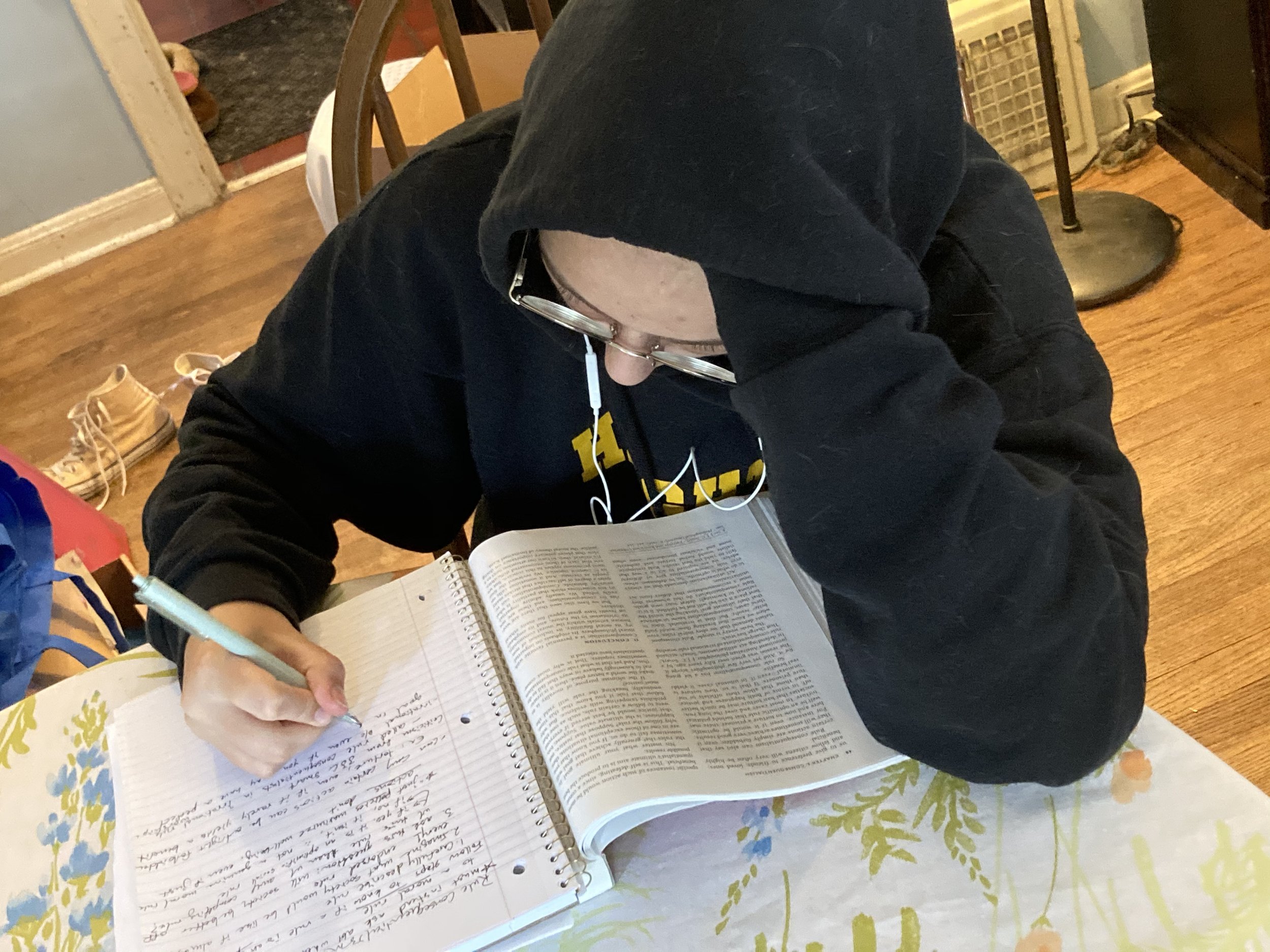
"IS THERE NO WAY OUT OF THE MIND?" - BY KIERSTAN KATHLEEN CONWAY
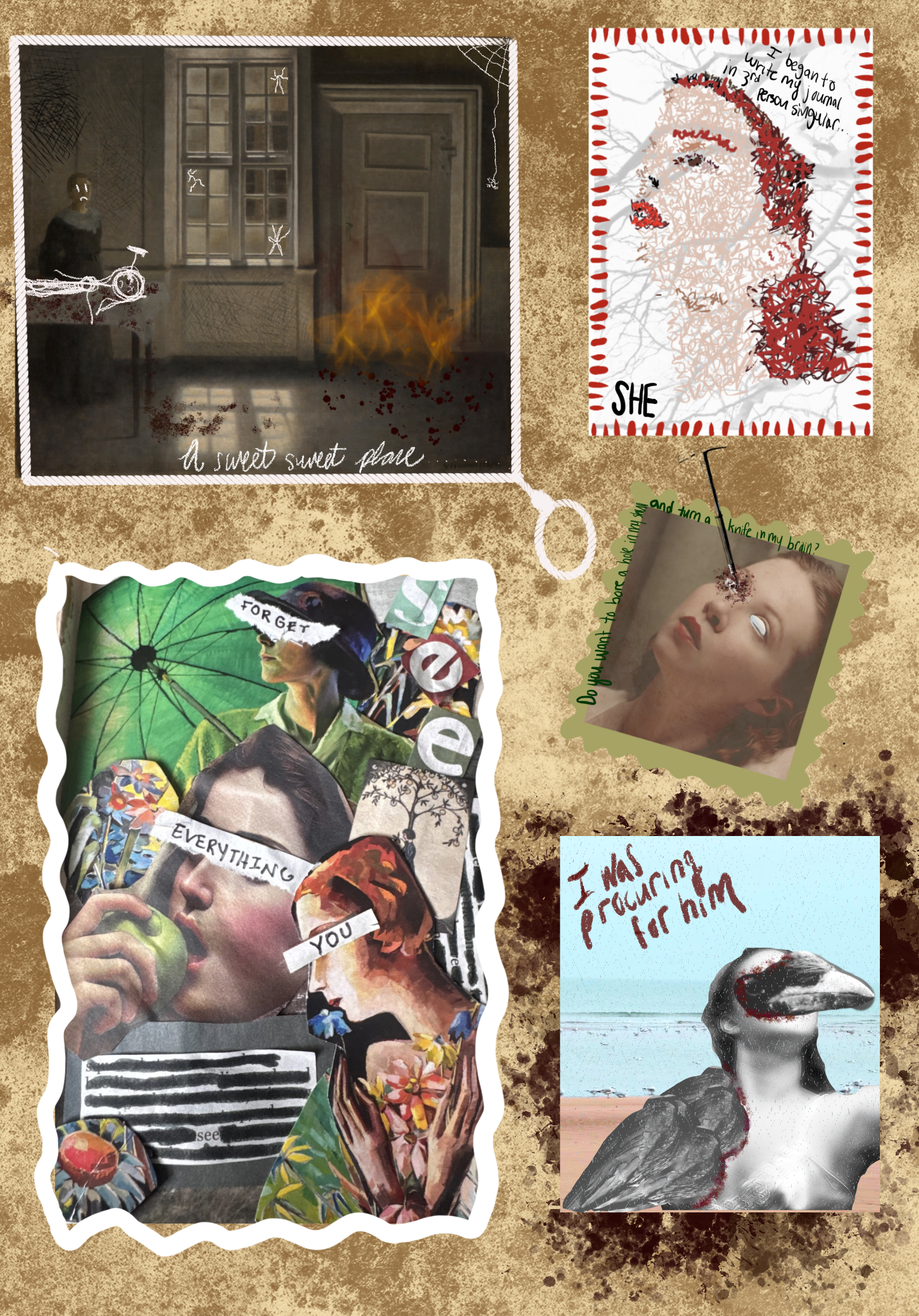
As a serial overthinker, developing and understanding a character at the root has always been difficult to me. So, I wanted to challenge myself to try a new approach when asked to visualize the world of the play, specifically Catharine’s experience, as part of the process for Suddenly Last Summer.
Read More
DRESSING THE WORLD OF SUDDENLY LAST SUMMER - BY JENNIVER SPARANO
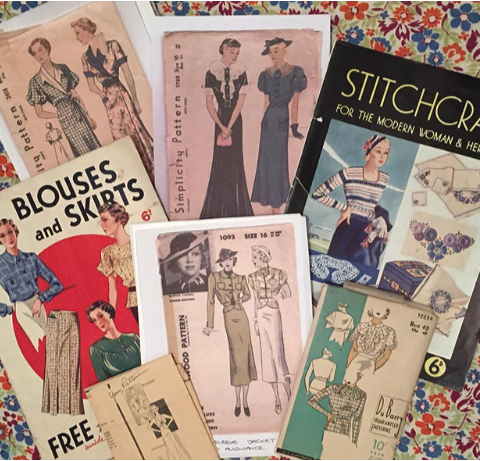
Our upcoming production, Suddenly Last Summer, although written by Tennessee Williams in the 1950s, takes place in the late 1930s – so even when it premiered, it was a “period play,” i.e., a play that takes place in an earlier time period than the audience’s present. Period plays present a different sort of costuming challenge than do plays that take place in the present…
Read More
DECODING SUDDENLY LAST SUMMER - BY CRAIG JOSEPH
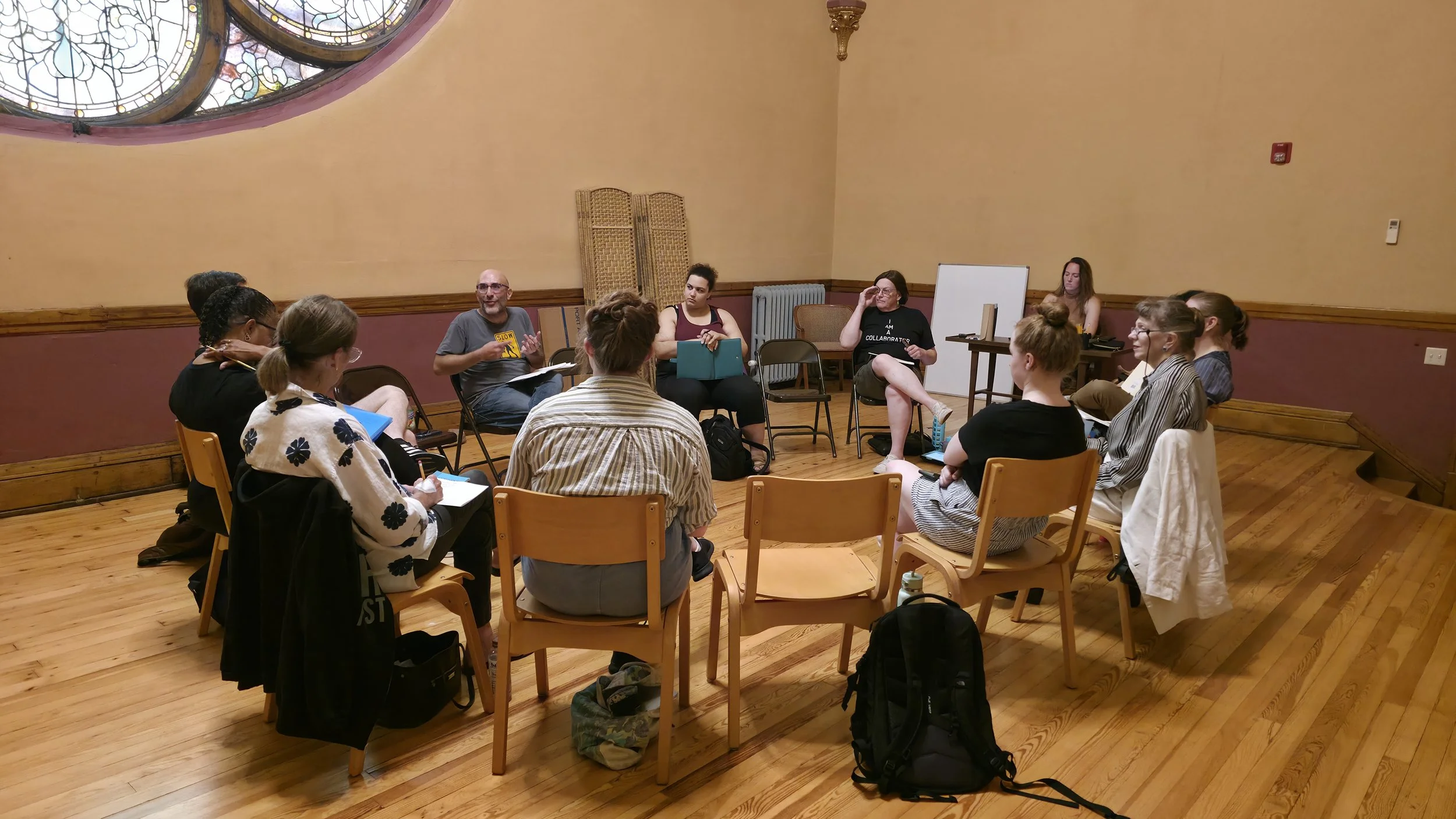
One of my favorite exercises when directing is to figure out the point-of-view our production is going to take on a play or - in other terms - "what the heck is this play gonna be about?" Younger, more controlling version of me as a director used to do this alone at my desk, weeks before rehearsal began, and then would arrive with the whole thing typed out on Day One like Moses descending from Mount Sinai with the Ten Commandements as inspired by God. Older, in therapy, and much more collaborative, I now love the challenge of creating an environment in the rehearsal room that encourages everyone - actors, designers, stage management, our producer - to share their insights and observations about the play so that the resulting conceptual statement is owned by ALL of us, not just me.
Read More
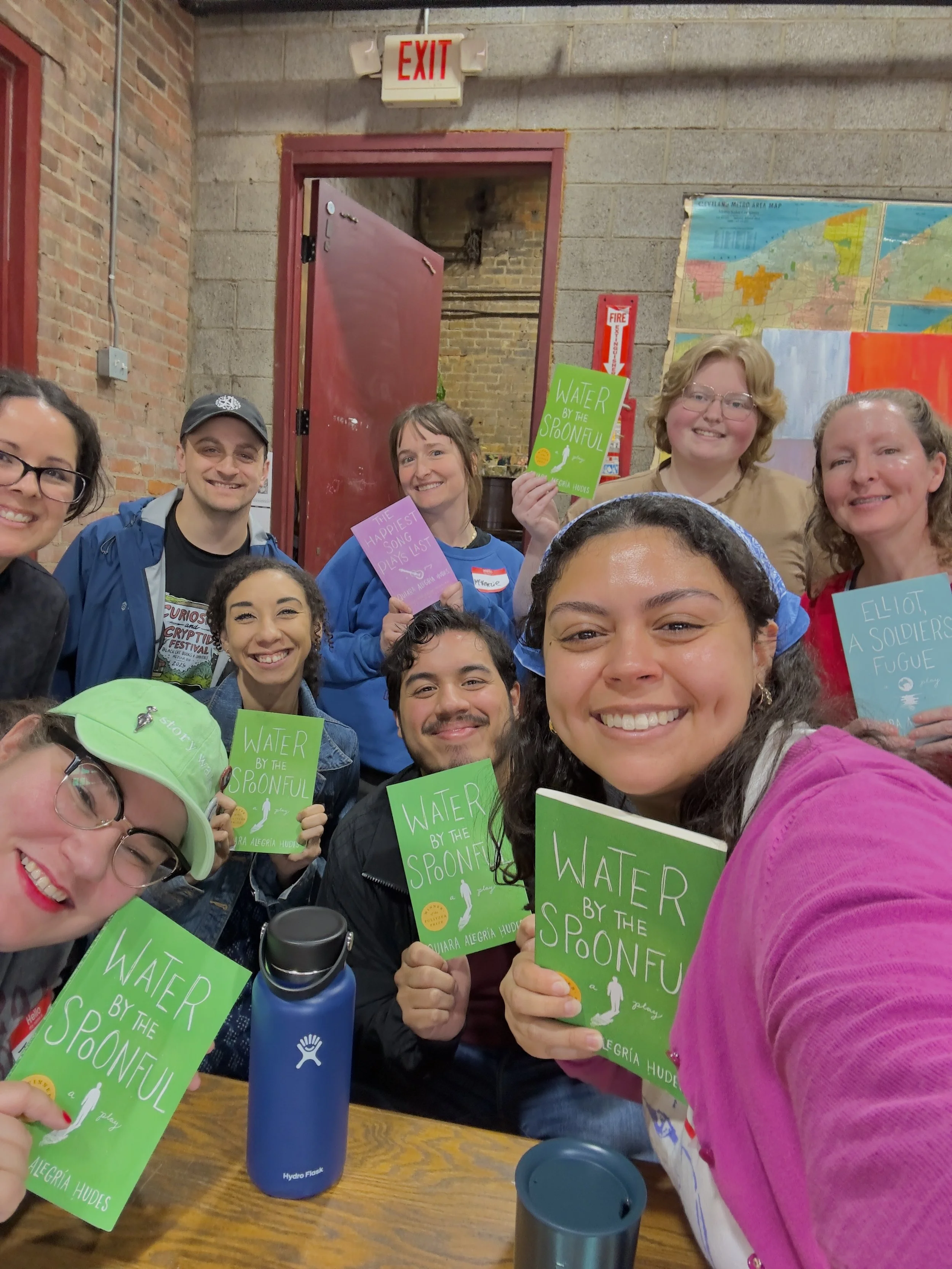
THE MAGIC OF PLAY READING CLUB - BY BRIDGETT MARTINEZ
Honoring my inner child has always come easy to me. I rewatch High School Musical often, I still enjoy a cosmic brownie, and I have plans to complete a full miniature dollhouse. But underneath the silly things, I recognize a longstanding love for two things: stories and gathering. I was an avid reader and writer, always reading above my grade level and writing chapters on chapters of my action-sci-fi-fantasy series about a group of best friends that are fairy pop stars that defeat evil (unrelated, I loved K-Pop Demon Hunters.) I was also the kid starting clubs on the playground that always seemed to have a clear agenda, goals, and action items that I would organize my friends to carry out. So when last year I started a mobile drama bookshop with an accompanying play reading club… Let’s just say my parents were not surprised.
Read More
WRITING THE DUALITY OF A CON - BY LISA LANGFORD
Jen Silverman’s play, Witch, had a lot to do with why I wrote Con. Witch is an elegant, 14-scene play about selling your soul to the devil and, more broadly, whether or not the world is worth saving. It’s the kind of left-leaning, liberal play that feels good during a Trump administration, though Silverman says little that’s overtly political. I played the titular character in Dobama’s production, and my castmates were all so incredibly talented, they were each rehearsing other shows when Witch closed. I felt like a slacker. So, I started writing a play inspired by Witch’s structure and style.
Read More
DIRECTING AS GARDENING - BY LISA L. WILEY
Auditions. I’ve been on both sides of the table. I’ve auditioned, and I’ve watched others audition. Neither role is easy. Directors have countless questions to answer and an overwhelming number of possibilities to consider. How do you know which actor belongs in which role? So far, I’d say it’s a lot like gardening.
Read More
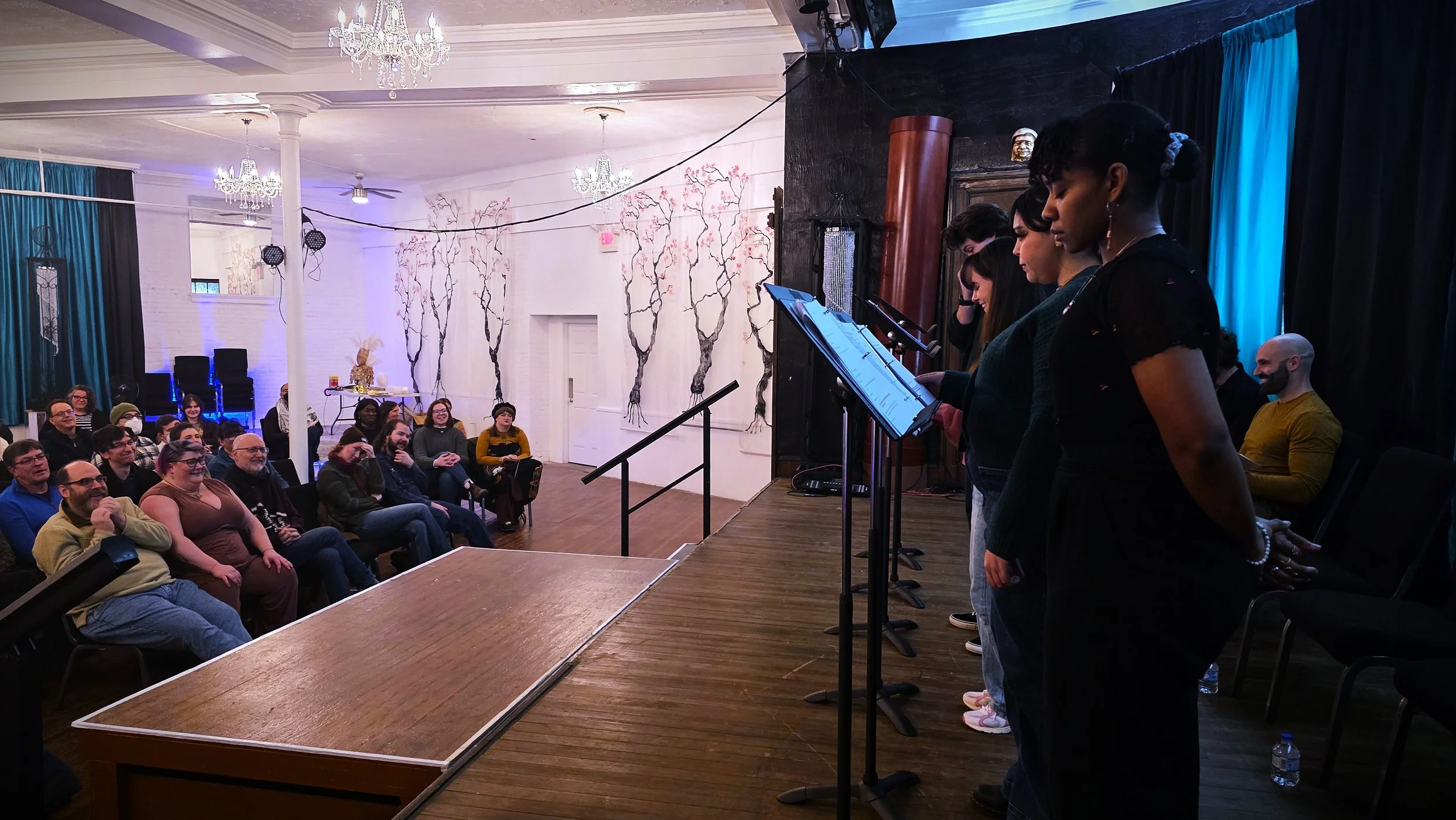
NEW PLAY READINGS: A MANIFESTO - BY KATHERINE NASH
New play readings are a standard part of new script development; they’re a proof of concept, a proposal, or an experiment. They aim to bridge the gap between a completed script draft and a fully-staged production. I’m a big fan of new plays, and I love a reading: the potential, the discussion, the explicit invitation to interrogate what works and doesn’t work. What about the characters stuck with you? What images will you still be thinking about next week? Because it’s presenting an openly unfinished work, a reading explicitly asks the audience to engage critically with the piece’s strengths and weaknesses. And there’s something special about being consciously in the process, engaging with the growth and evolution right in front of us. It’s a sneak peek, an exclusive event. We’re being trusted with this new, vulnerable thing, and we get to witness it!
Read More
DEMENTED AND SAD, BUT SOCIAL - BY DAVID HANSEN
The origin of the script “Forget About Me (The Breakfast Club Play)” was an imagined conversation between a Gen X parent and their Gen Z child, about “The Breakfast Club.” In the wake of #MeToo, the actor Molly Ringwald wrote a wonderful essay for The New Yorker about watching it with her adolescent daughter. She knew it was problematic, but didn’t realize how much, and decided it was better for her child to see it first with her rather than, say, at a sleepover with all of her daughter’s friends.
Read More
SUGARMAN'S SEAT OF THE PANTS HIGHLIGHTS - BY LANA SUGARMAN
After 3 years as an ensemble member with Seat of the Pants, I have decided to take a year away from the company to pause, take stock, and continue to build roots in my new-ish home of Buffalo, NY. I am so grateful for these years of growth, play, and community. Here are some highlights from my time with Seat of the Pants:
Read More