
EXPRESSIONISM'S LIFE-GIVING POWERS - BY MUGS JOHNSON
From the jump, I knew this play would be a dream. I say this because in truth I am an absurdist at heart, and most importantly an avid enjoyer of all things non-realism in a day and age that seems all too consumed by it. So when an expressionist take on a nigh never produced southern classic, led by the brilliantly avande-garde-ly brained Craig Joseph, came across my desk, I jumped and squealed.
Assistant directing this show has been a thrill ride. Sifting through the rice has brought out all sorts of beautiful shapes and colors that I never would have attached to a Tennessee Williams play before. From the vocal and movement techniques played with all the way through to the distilled and crystalline design vision. There are so many beautiful nuggets of beautiful expressionism that pop the play into a new territory in my brain that was never experienced before when it comes to Tennessee Williams and his more “classic” works.

I think that would be one of my more joyous takeaways from this process: expressionism’s ability to breathe new life into a show. Specifically, to build a more accesible bridge into the work for 21st century audiences.
It sounds silly, because you may instinctually think the opposite. Turning to less traditional and non-realism focused artistic lenses often carry’s with it a sigh of elitism or at least of pseudo-intellectualism. But for me the exact opposite has appeared true by the end of this process.
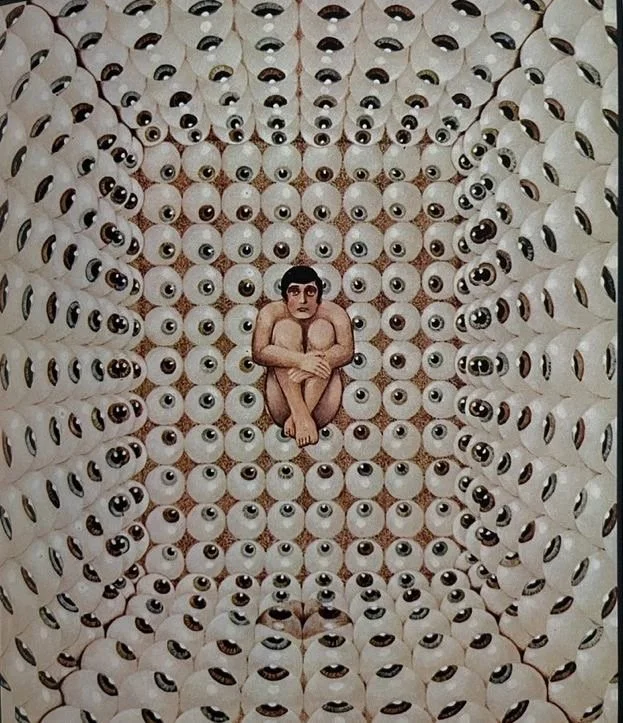
This show can, at many times, feel quite dated. Socially antiquated themes, views, and ideas can hit pretty harsh. Even casual dialogue can seem archaic. But at the center of it all are questions and a story that still feel at home in our modern world.
Through expressionism, we can lift and heighten exactly those universalities. We can bend the artistic medium, and highlight the truth within.
Maybe there isn’t so much room to budge in what is said, who says it, and when. But there’s a whole lot of room in the how.
This team has built a beautiful how, one that pulls this play out of the Tennessee-Williams-least-produced-shows graveyard, and into our very own cultural milieu.

I am incredibly grateful to the cast and team for showing me such a beautiful way to craft it along the way as well. I come from a directing background that is more denotative than connotative. I am used to environments in which time constraints and resource limits have made me feel that I need to lead prescriptively and decisively. At Seat of the Pants however, I am reminded that the beauty lies within the process that we build together. And in the end, I think there is a bit of everyone’s voice together in this play because if it.
I hope that audiences can step into the expressionistic kaleidoscope this little village has built, and land with us at some of the strange wonderings and curiosities of this odd old play.