GIVING & RECEIVING: LANA SUGARMAN
My introduction to the Michael Chekhov technique was in my first year of grad school in 2018 at Kent State University with Fabio Polanco. Over the course of two years, we learned and applied various exercises, from Crossing the Threshold to the Four Brothers, Qualities of Movement, and Psychological Gesture. Because the MFA program was for Returning Professionals, many of us were attempting to break down, untangle, and perhaps even define our unique approaches to acting, so that in theory, we could share that pedagogy with others. While digging into my past process, I was also being offered a whole new set of tools that could lead to inspired performance.
In summer of 2021 I attended the Great Lakes Michael Chekhov Consortium. After a year of pandemic life and teaching theatre history online, spending a week in play and joyful connection with other artists was a gift. The intensive reinforced my enthusiasm and curiosity.
Read More
ON THE JOURNEY: BENJAMIN GREGG
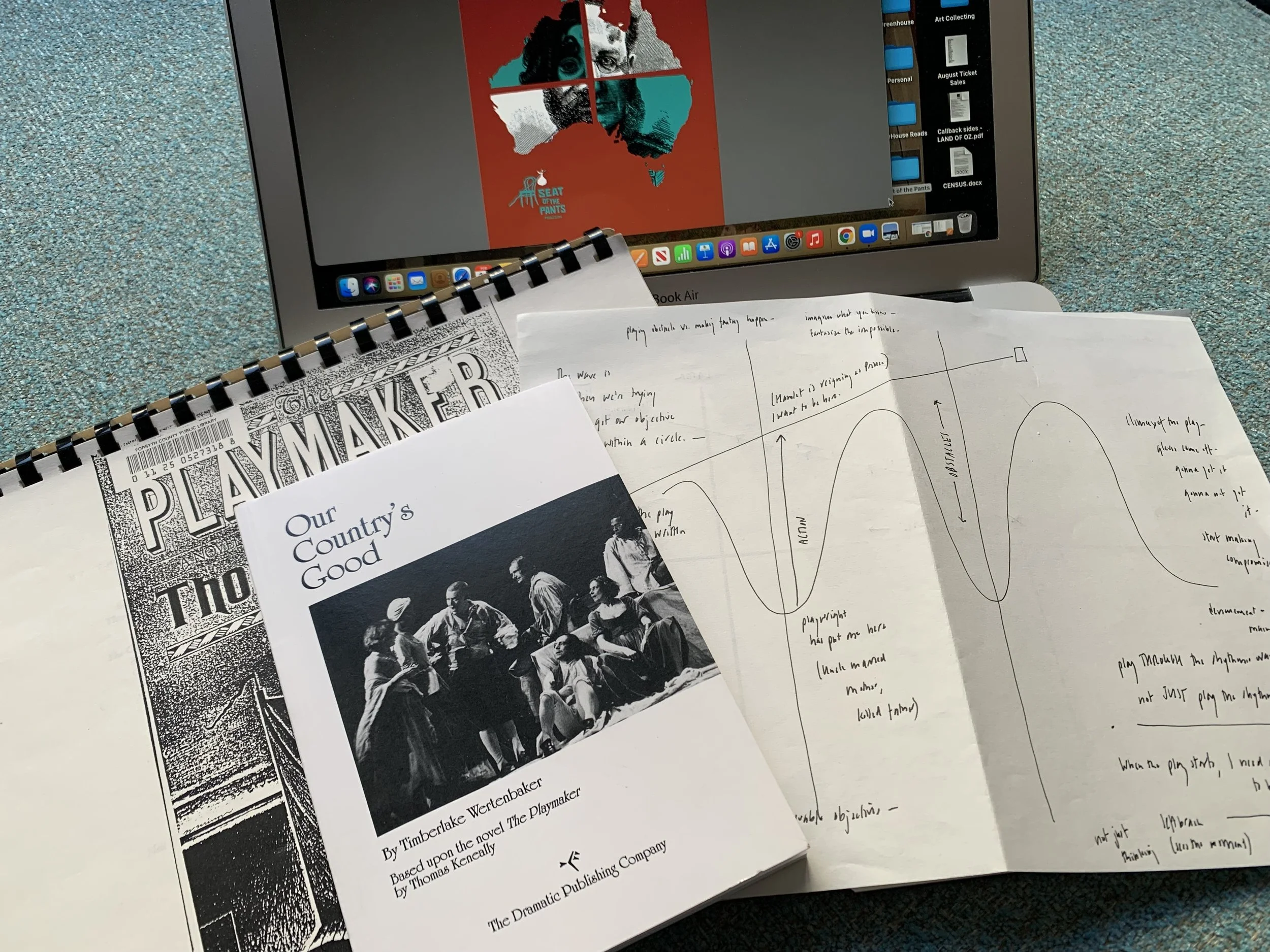
The rehearsal process for Our Country’s Good has been unlike any other project that I’ve been involved with previously. Many times, the preparation before and even during rehearsals can feel like a very solitary endeavor. You spend countless hours locked in a room memorizing lines or conducting research about your character or the play in its totality. There’s only so much time to actually play because there’s inevitably an emphasis placed on shaping a show, finding the beats, and capitalizing on the major focal points of the production.
Read More
SEED TO TREE: JAMES RANKIN
I used to perform in educational outreach tours, for years, and almost every-time I played multiple characters. It was a strong suit of mine; it was easy. However, I was younger, and have learned new things since; also the process was different and expedited. I used to put on the characters like masks, off and on, switch and play, a new voice and a new oversized physicality to show the kids a clean and clear difference. It's acting, but the rules and application are slightly different than how I approach things now. Now, I search for an honesty that comes from inside of me as opposed to an honesty that will be easily understood based off of audience expectations. I want to avoid creating an archetypal caricature - which is isn’t bad - but it doesn’t feel right to me anymore. I want to be grounded, and I want voices to feel real, inside out, not outside in. And to achieve that for this show, I knew i’d have to go about it differently.
Read More
FANNING THE FLAMES OF CREATIVE DESIGN: AYRON LORD
Lighting is an interesting design element because it can serve so many different functions within a show but normally it feels relegated to a support role. Often time it is used simply to direct focus or emphasize a particular element of the show. More nuanced applications include setting mood, time of day, or weather.
During rehearsal several weeks ago, I was discussing my initial lighting thoughts when Craig mentioned that it is not often that lighting is thought of as a storytelling technique……
Read More
PROPPING UP AN ACTOR'S PERFORMANCE: LISA WILEY
Sometimes I design and build props. Sometimes I build characters and act onstage. One might ask if my acting ever influences or aids in my prop designs, and I would say yes, it does.
Read More
SETTING THE STAGE: CRAIG JOSEPH
Whenever I direct a play, I write a one page conceptual statement about my “take” on the script, in an effort to get everyone - actors, designers, marketing folk, etc - on the same page. I usually do this weeks before our first rehearsal or design meetings.
This time has been a bit different. I held off on doing this until AFTER our first six months of exploring the play together. This was frustrating for some of the team at times because “what we were working toward” was a bit amorphous, but I can honestly say that what I’v written is miles away from what I would have written without the insights I’ve gathered from watching all of these individuals play over the past six months. My work as a director has been made richer and fuller because of them. So here’s where things are at as we move forward:
Read More
NAVIGATING TRUTH AND FACTION: JEANNINE GASKIN
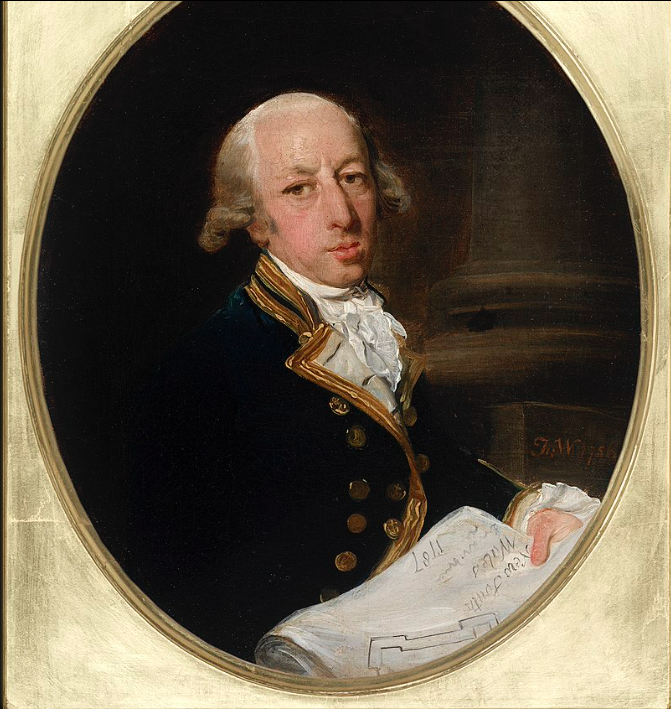
Lieutenant Dawes is one of the characters I play in Our Country's Good. What I find so interesting about Dawes is how flighty he is portrayed in the play. He has less than 10 lines and the only thing you learn about him is that he could care less about the convicts and is fascinated with the stars in the sky. He’s there basically to be a foil to those characters advocating that the prisoners put on a play. BUT…..
Read More
AN ACTOR'S CHALLENGE: ABRAHAM ADAMS
I have said, half in jest, that the remainder of my career in theater will likely be playing some combination of racists, rapists, or both. This can be a challenge. Myriad questions arise: Should I be telling this person’s story? Why? Should any more space be made in the theater for perspectives that are almost exclusively from a white, colonizer lens? How does a white actor, cognizant of these questions, navigate through deep structural flaws and still keep his moral compass pointed true north?
Read More
TRAVELING INTO RABBIT HOLES: MERIAH SAGE
One of my favorite directors, Ann Bogart, wrote: “What you do in rehearsal is visible in the product. The chief ingredient in rehearsal is real, personal interest. And interest is one of the few components in theatre that has absolutely nothing to do with artifice. You cannot fake interest. It must be genuine. Interest is your engine and it determines the lengths to which you will travel in the heat of engagement.”
My personal interest in this project propels me, eagerly, to rehearsal every other week. It also makes me hungry for knowledge. When I’m not at rehearsal, I spend a lot of time in my imagination and brain. I’m curious. I love to explore. I love to dig. Here are some of my favorite “rabbit hole” discoveries so far…
Read More