
COMPOSING MUSIC FOR ELEPHANT'S GRAVEYARD, BY ZACH PALUMBO
When I signed on to music direct and compose for Elephant’s Graveyard, I knew I didn’t want to go into the process with preconceptions about how to score each scene. Music is one of the most powerful tools for setting an atmosphere, and coming in with a prepared score would have meant dictating that atmosphere before we had the chance to discover it as a team. This isn’t the role of the music director in any process, but especially not for a company like Seat of the Pants whose approach is so deeply rooted in ensemble work and collective discovery.
That’s why, when I first sat down with the script, my plan was to read through and get a sense of how the music might fit in (where music was explicitly called for, where underscoring could be appropriate, which scenes should definitely not have music, etc.) without actually writing anything. Then I read the opening stage direction:
The DRUMMER and GUITARIST enter, taking their places. The GUITARIST sings a song in the Piedmont blues style, You Got To Lift It.
This was such an enticing invitation that I immediately abandoned my game plan and took a crack at writing the tune.
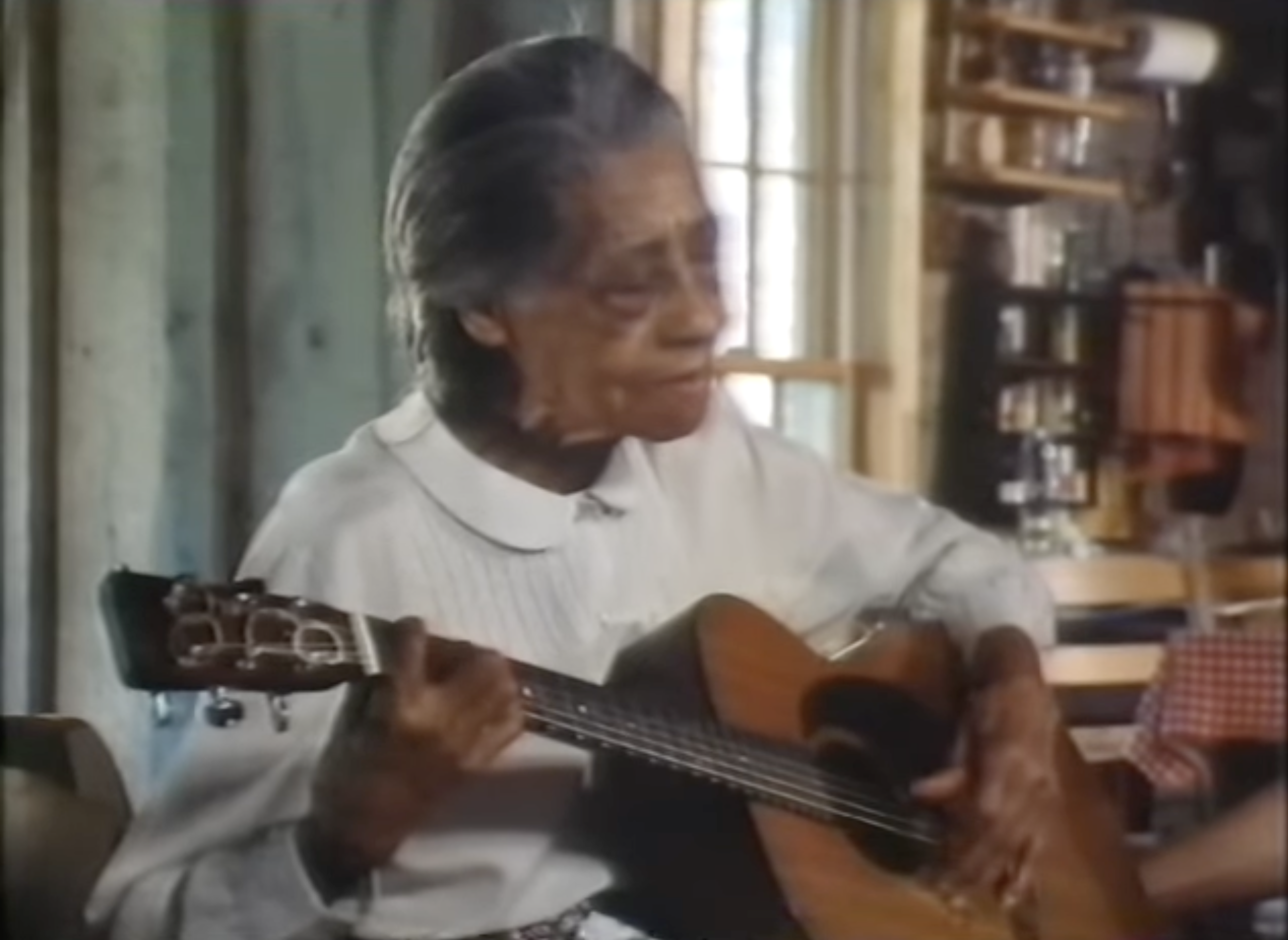
I love the blues, which is in my opinion the heart of American popular music. When you think of the blues, if you’re lucky, you think of pioneers like B. B. King and Jimi Hendrix; if you’re not so lucky, maybe you think of “Bad to the Bone.” But either way, you may not have an idea of what “Piedmont blues” sounds like. I sure didn’t, and it turns out this is a very particular style of music which has more in common with ragtime than the traditional 12-bar blues (which rock and roll primarily derives from). So my first job was to get acclimated to this sound. I made a playlist with songs from Blind Boy Fuller, Blind Blake, Blind Willie Walker, and even some musicians who could see! My favorite discovery during the research phase was this gem of a video featuring 92-year-old Elizabeth Cotten performing her song “Freight Train,” one of the iconic Piedmont blues tunes.
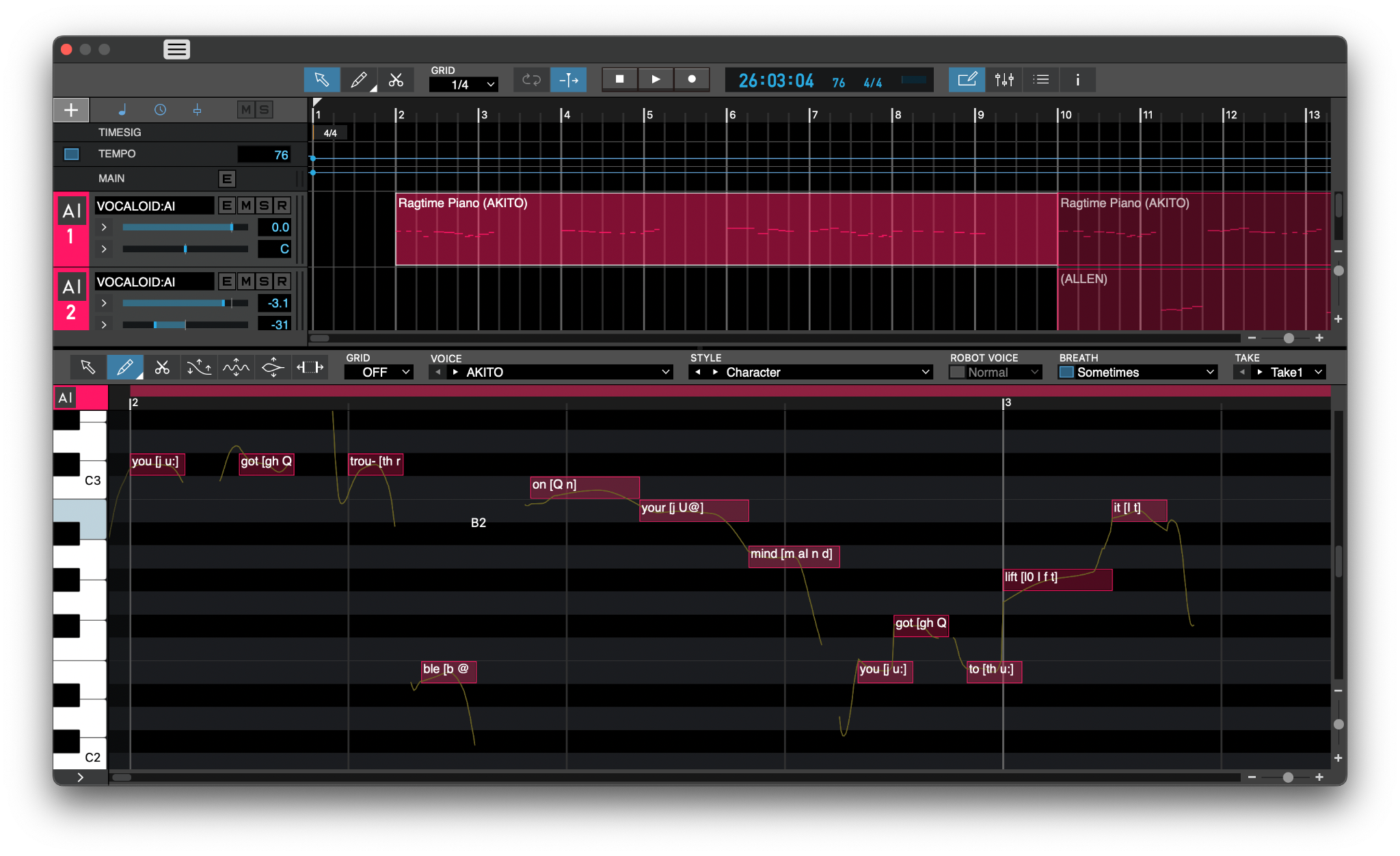
Once I had a sense for the genre (typical song structures, conventional harmonic and rhythmic devices, etc.), it was time to write! Ordinarily I write on the guitar or piano, but it was late at night, so instead I opened up Logic Pro and started laying down a MIDI guitar pattern. I already had a sense of the melody and chord progression I wanted to work with in my head, but it was fun to get specific with each note in a way that I don’t always need to do when I have an instrument in my hand and can work more from intuition and muscle memory. Once the guitar was in place, I programmed the vocals using a program called VOCALOID which lets you lay down notes and lyrics on a MIDI piano roll and then synthesizes a voice to sing them. It looks something like this:
Once I had finished this MIDI demo, I texted it to Craig (with no more context than you see in this screenshot):
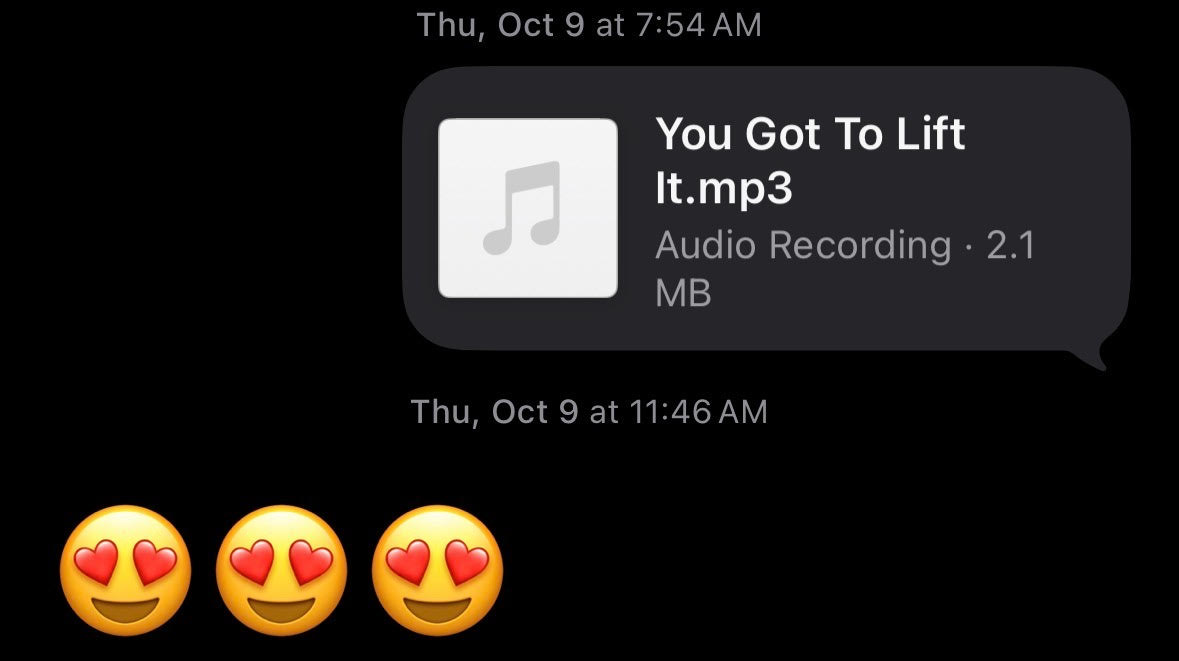
I took his encouraging response as a go-ahead to continue working on the tune. The next step was to create a version that didn’t sound like it was lifted out of Animal Crossing, so I got my acoustic guitar, loaded up a simple multi-tracking app on my phone, and recorded a proper demo. Hopefully the stylistic inspiration is apparent (and you may be able to hear the influence of “Freight Train” in particular):
Luckily, there were no more original songs in the script to entice me, so I was otherwise able to stick to my plan of going into the process without prepared material. But I’m so glad I took the time to dive into Piedmont blues; not only was it a blast, but writing this tune has also given me a solid stylistic baseline from which the rest of the music can flow.
Just for fun, here’s that original K.K. Slider-style MIDI demo: